HomeWhat to read nextDog Man

Classic books for kids who love Dog Man

Dog Man readers are usually 6 to 9, laugh-driven, and loyal to pictures. The classics below keep the animals, the mischief, and the art — and shorten the leap from comic panels to chapters.

Dog Man readers get underestimated. A seven-year-old who has read ten of them has read thousands of pages voluntarily — stamina most reading programs would kill for. The habit is built; the open question is only what format it transfers to next.

The transfer fails when the next book abandons everything the kid loved at once: no pictures, long chapters, no jokes. It succeeds when one variable changes at a time. That’s the logic of this shelf — every book keeps animals, humor, and art on the page, while the amount of text per page quietly grows. Potter’s tales are one-sitting wins, Aesop is a win per page, and Oz is the full-length graduation with an illustration never far away.

All of it is free and complete here, originals’ art included — so you can stack the shelf, let the kid pick, and lose nothing on the ones that don’t take.

The free classics, matched

1

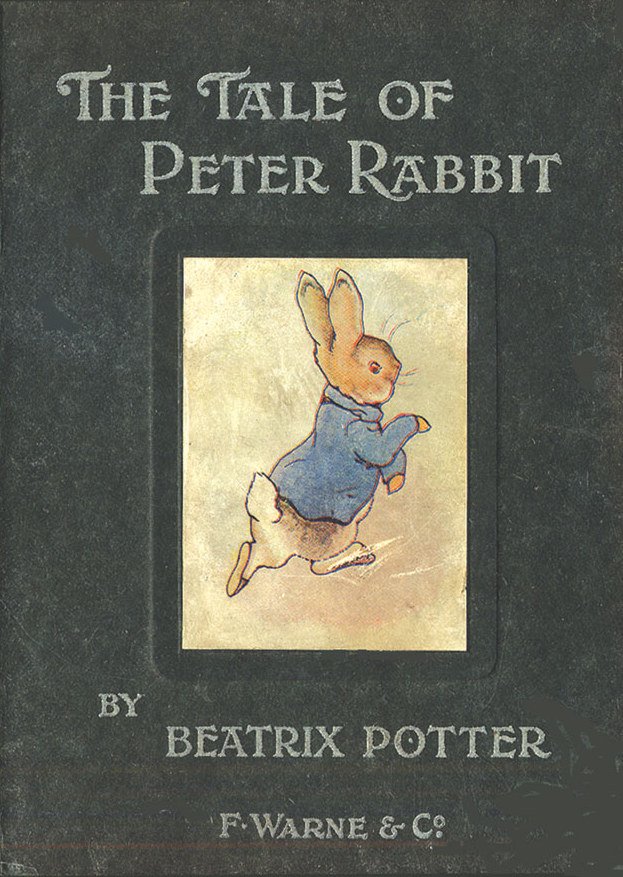
The Tale of Peter Rabbit and Other StoriesBeatrix Potter · grades K–2

Ten tales in one free book, each finishable in a sitting, each with Potter's paintings doing half the storytelling — the closest structural cousin to a comic on the classic shelf. And Peter is pure Dog Man material: a rule-breaker whose plans go wrong in ways kids find deeply funny.

2

Aesop's FablesAesop · grades 3–5

The shortest complete stories ever written — an animal, a scheme, a consequence, done in a page. For a reader who measures books by 'can I finish it,' every fable is a win, and the win is what builds the next attempt.

3

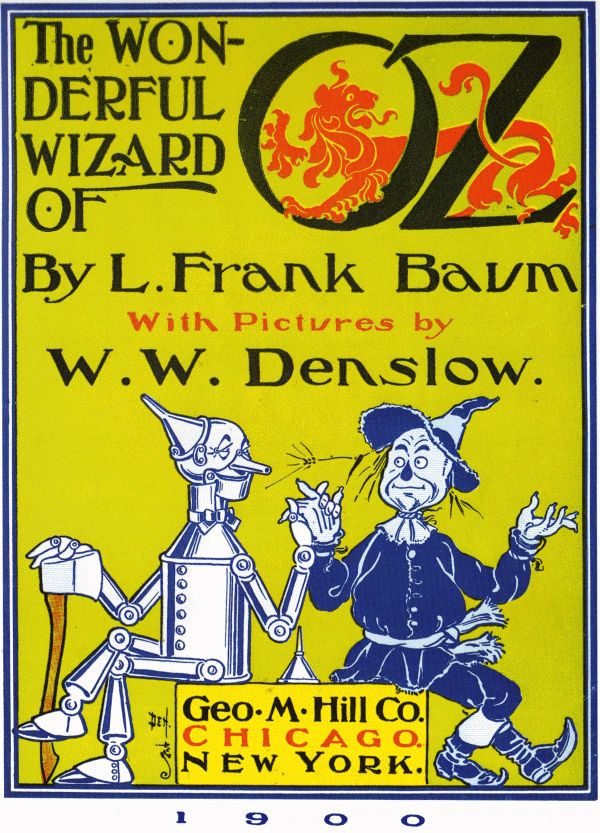
The Wonderful Wizard of OzL. Frank Baum · grades 3–6

When they're ready for a full-length book, this is the one with art on nearly every page — over a hundred Denslow illustrations in our edition — plus a talking lion, a dog worth protecting, and a new creature every few chapters. The classic first 'big book' for a picture-loyal reader.

When they want something new again

Modern series (in copyright, so not free) that carry the same appeal forward.

Cat Kid Comic Club by Dav Pilkey

Pilkey's own next series — same art, same humor, and it quietly teaches kids to make comics themselves.

Short, illustrated, genuinely funny chapter books — the gentlest bridge format between comics and prose.

Mercy Watson to the Rescue by Kate DiCamillo

Early chapters with full-color art and a butter-loving pig — DiCamillo writing pure comedy for exactly this age.

Affiliate links. They never affect our picks.

Quick answers

What should my kid read after Dog Man?

Keep the ingredients — animals, humor, pictures, short units of story — and change one variable at a time. Cat Kid Comic Club and Rabbit & Bear keep the comic energy with a little more text; Mercy Watson adds chapters with full-color art. On the classic shelf, the Beatrix Potter tales and Aesop's fables are complete stories in minutes, and The Wonderful Wizard of Oz — with art on nearly every page — is the first 'big book' step. Save the long books until finishing feels routine.

Do comics and graphic novels count as real reading?

Yes — decoding, vocabulary, and story structure are all working, and the research on comics readers consistently shows them going on to read widely. Comics are how this generation builds fluency and the habit of finishing books. The move isn't away from comics; it's comics plus one bridge book at a time, which is what this page is for.

When is a kid ready for chapter books?

Watch for finishing stamina, not age: a kid who reads several Dog Man books back to back has the attention for a short chapter book — what they may not have yet is tolerance for pages without pictures. That's why the bridge books here all keep art on or near every page. Start with one short illustrated book, make finishing it a celebrated event, and let the length grow from there.